Introduction: The Awakening of the Numinous in the Peaks
When technological civilization removes the sense of the numinous, the mountain gods do not disappear, but regress to their archaic and terrifying forms. The collapse of the glacier in Nepal is the moment when the mountain “speaks” again: the crumbling ice is the severed curl of the earth, and the mudslide is the inevitable response of a sacredness that demands to be recognized and feared again.
In the symbolic code of myth, a mountain has never been a simple inert mass of rock or ice. For archaic humanity, it constitutes the Axis Mundi, the pillar bridging Earth and Heaven, and the tangible dwelling place of the mountain gods.
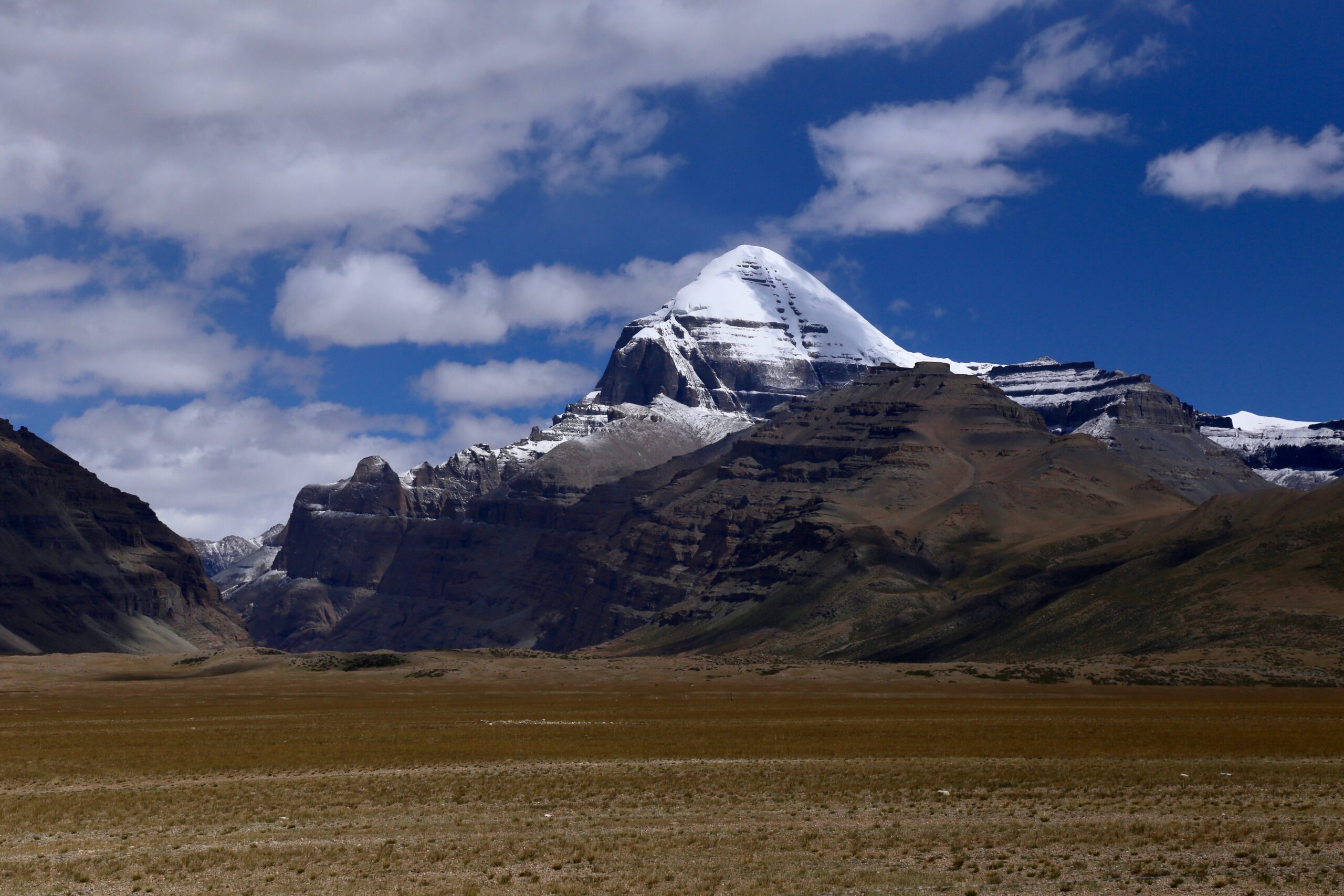
When the ritual balance between human beings and nature breaks, the mountain withdraws its protection. The recent glacial collapse on the border between Nepal and Tibet, which triggered a devastating debris flow along the Lhende Khola and Trishuli basins, demonstrates how the language of myth describes the response of deep matter: solid matter melting is the irruption of the sacred regaining sway over the hubris of technological civilization.
1. The Violated Axis Mundi and the Awakening of Rudra-Shiva
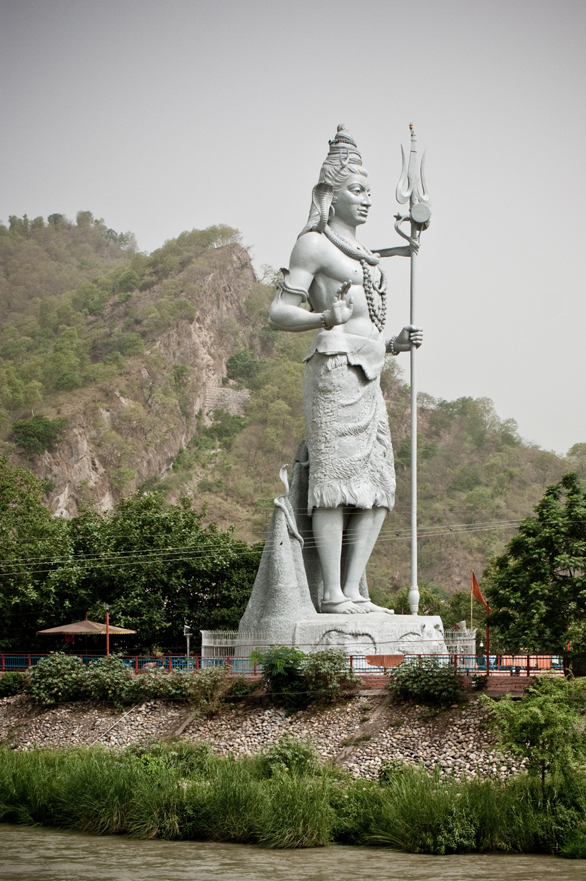
In Vedic and Hindu cosmology, the Himalayan range represents the spine of the planet, the privileged seat of Shiva in his archaic manifestation as Rudra, the Lord of Storms, Primordial Fire, and Wild Forces:
- The Sacrilege of Technique: When contemporary society reduces the mountain to a mere economic, hydroelectric, or tourist resource, the sacred bond is severed. The symbolic mediation that guaranteed the docility of the elements is lost.
- The Trident (Trishula) and the Debris Flow: The Trishuli River takes its name from the Trishula, Shiva’s cosmic trident. The moment the god shakes his weapon, the glacial stasis shatters. The flow of mud and ice (GLOF – Glacial Lake Outburst Flood) represents the punishment hurled by the trident: a violent reminder to respect natural limits.
2. The Demonology of the Peaks: Tseringma and the Guardians of the Snow
In Tibetan Buddhism and pre-Buddhist shamanic traditions (Bön), the peaks of the Himalayas fall under the jurisdiction of the Tseringma (the Five Sisters of Long Life), chthonic and glacial deities linked to climatic stability.
- The Curse of the Profaned Peaks: Oral tradition teaches that if the purity of the peaks (Lha) is violated by human greed, the angry mountain gods unleash subterranean forces.
- From the Repressed to the Cataclysm: Snow loses its function of “retaining” and conserving water, transforming instead into destructive mud. The flood overwhelming the Nepalese valleys is the somatic projection of collective guilt: the unconscious of nature demanding its ritual compensation.
3. The Angry Mountain Gods in Comparative Myths
The archetype of the peak avenging itself on humanity unites the major cultures of antiquity:
- Classical Greece (Olympus and Zeus): When the Giants attempt to scale the heavens, subverting the cosmic order, Zeus hurls lightning from the heights of Mount Olympus, unleashing earthquakes and floods. For official records on Himalayan sacred geography and mountain environmental protection, you can refer to the scientific resources at the UNESCO World Heritage Centre.
- Archaic China (Mount Buzhou and Gonggong): In Chinese mythology, the water dragon Gonggong, enraged by a defeat, strikes Mount Buzhou (the pillar supporting the heavenly vault) with his head. The Earth’s axis bends, unleashing water cataclysms and altering the course of the stars.
- Volcanic and Pelagic Traditions: From Hawaii to the Alps, the angry mountain gods manifest whenever solid matter suddenly transmutes into incandescent fluid or muddy sludge, destroying any pretense of human control.
4. Comparative Table: The Collapse of the Mountain in Myth
| Tradition / Geography | Mountain Deities | Cause of Wrath (Sacrilege) | Physical Manifestation |
| Himalayas (Nepal/Tibet) | Rudra-Shiva / The 5 Tseringma | Desecration of the Axis Mundi | Glacial collapse on the Trishuli and mud flow (GLOF) |
| Ancient China | Gonggong (Mount Buzhou) | Struggle for sovereignty & breach of Order | Fracture of the Earth’s axis and major floods |
| Archaic Greece | Zeus (Mount Olympus) / Gaia | Human hubris and the assault of the Giants | Lightning, catasterisms, and cosmic derailment |
Conclusion: Return to the Sacred Limit
Sacred geography and mythic astronomy remind us of a fundamental truth: nature is not an inert object.
When technological civilization removes the sense of the numinous, the angry mountain gods do not vanish; they regress to their most archaic and destructive manifestations. The glacial collapse in Nepal is not merely a geological disaster, but the moment when the mountain makes its voice heard once more, forcing humanity to look back into the mirror of awe and respect for the sacred limit.