Have you ever wondered whether your home is merely an inert vessel or if it conceals a truly invisible life? When we inhabit a space, the constant interaction between our thoughts, our emotions, and the surrounding furnishings creates a subtle, deep archive. This is where the energetic memory of the home develops—a phenomenon in which matter absorbs and retains the imprint of those who live within it.
There is a fascinating meeting point between the geomantic tradition of Chinese Feng Shui and the folklore of the Japanese Tsukumogami: both philosophies recognize that time and attention transform matter into a catalyst for spiritual vibrations.
1. The Imprint of Time: Accumulated Qi vs. The Object’s Soul
In Feng Shui, every wall, piece of furniture, or decor accent retains the presence of Qi (vital energy). If a residence has been the setting for strong emotional bonds, serenity, and health, objects become charged with radiant energy. Conversely, traumatic events, continuous suffering, and prolonged emotional tension end up saturating the environment, permanently altering the energetic memory of the home.
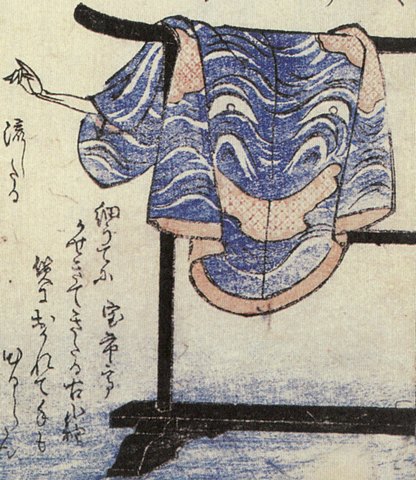
This vision finds a perfect parallel in the Japanese concept of Tsukumogami. According to Shinto tradition, when an object reaches one hundred years of age after long use, it develops a human-like spirit (a kami or demon). If it has been treated with respect and care, it will become a protector of the hearth; if abandoned or mistreated, it will manifest resentment.
2. Sheng Qi and Sha Qi: Cherished Objects vs. Forgotten Objects
How you manage your belongings determines the energetic quality of your living space:
- Sheng Qi (Life Energy): Generated by well-cared-for, clean, and actively used items. Cherished objects keep the energetic memory of the home elevated and vibrant, fostering prosperity and harmony.
- Sha Qi (Stagnant or Cutting Energy): Stems from clutter, broken items, unused accumulations, and antiques left forgotten in the attic. In Feng Shui, these elements create a stagnation that weighs down the lives of the occupants.
If you want to learn how to harmonize your spaces and manage your home’s layout effectively, feel free to explore my services for Feng Shui consultations and courses on fabiopetrella.it.
3. Purification and Space Clearing: Releasing the Past
To prevent the accumulation of negative vibrations from compromising your well-being, it is essential to periodically refresh the energetic memory of the home through deep, mindful cleaning rituals.
Space Clearing Techniques:
- Sound and Incense: Use Tibetan singing bowls or natural incense (such as white sage or palo santo) to break up dense pockets of stagnant Qi in corners and doorways.
- Rearranging Furnishings: Move furniture and immediately repair damaged items to prevent them from releasing negative energy.
- The Susuharai Ritual: In Japan, the annual tradition of Susuharai (Shinto ritual cleaning) involves purifying and respectfully parting ways with old objects so they do not give rise to restless spirits.
Conclusion
In short, our living spaces are never truly neutral. Recognizing the energetic memory of the home means caring for what surrounds us, transforming your dwelling into a sanctuary of peace, balance, and daily renewal.